
Office Address
P.O. Box 15808, Mbezi, Dar es Salaam, Tanzania
Phone Number
+255 714 629 700
Email Address
wahigrouptz@gmail.com
P.O. Box 15808, Mbezi, Dar es Salaam, Tanzania
+255 714 629 700
wahigrouptz@gmail.com




 by WAHI GROUP
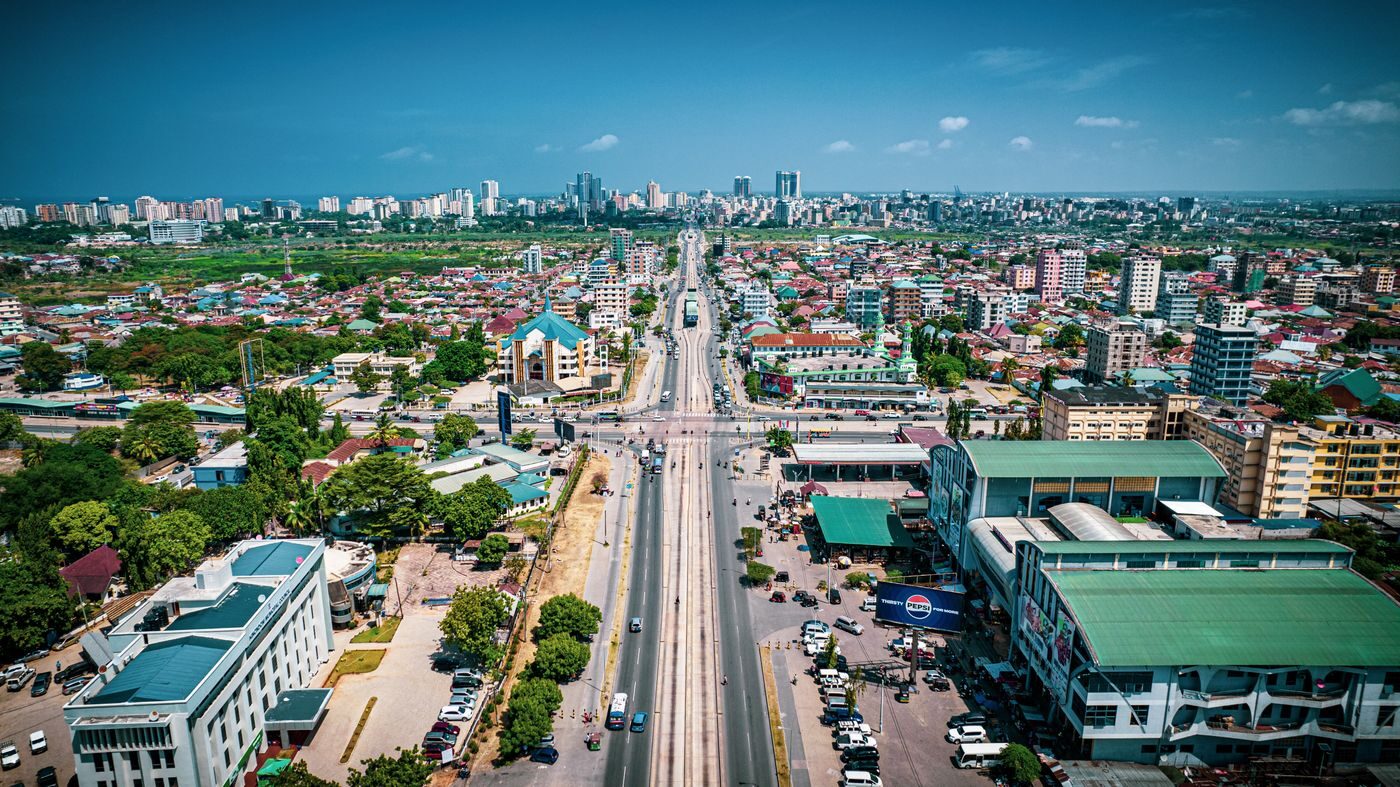
Drive through Dar es Salaam, Dodoma, Mwanza or Arusha and the construction activity is impossible to miss. Roads, bridges, housing, warehouses, hotels, schools, clinics. The demand side of Tanzanian construction is about as visible as an investment thesis ever gets.
The difficulty is on the other side of the equation.
"Construction" covers several very different businesses, and they behave differently:
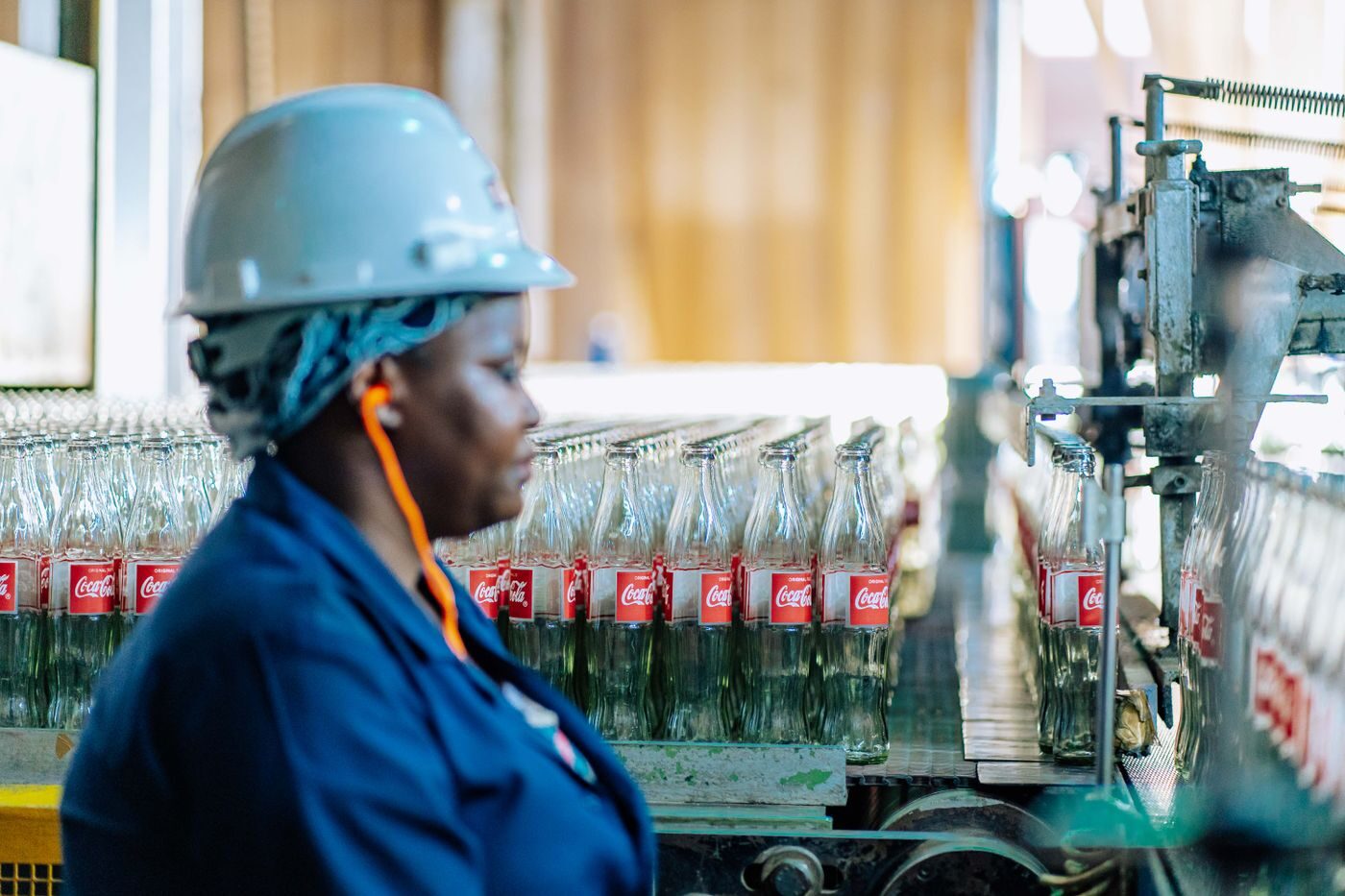
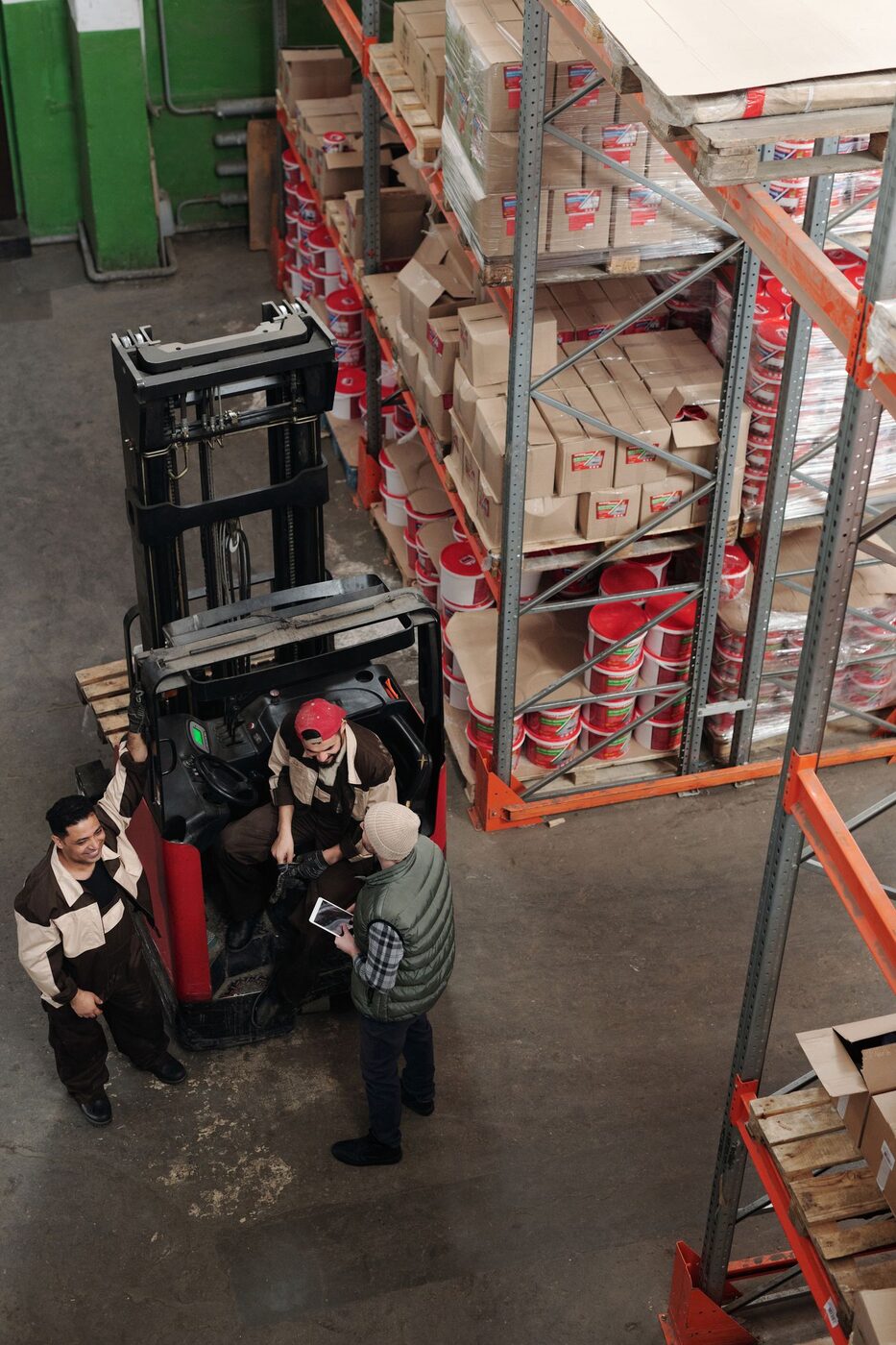
In a growing construction market, selling to every builder is frequently safer than being one.
For a foreign contractor or developer, a Tanzanian partner is not an administrative formality. It is prequalification history, relationships with regulators and utilities, knowledge of which subcontractors deliver, and the ability to move a permit that would otherwise sit. It is also local content compliance — which is a requirement, and is best treated as a design input rather than a late correction.
WAHI Infrastructure & Construction develops, invests in and delivers building and infrastructure projects in Tanzania. We work through joint ventures with contractors and developers, consortium arrangements for larger public works, and direct investment in materials and components businesses.
If you are considering a project here, we would rather help you assess it honestly than see it start badly.